Geotechnical engineering has always relied on data—but today, data plays a more critical role than ever before. Advances in instrumentation, digital tools, and data management systems have transformed how engineers understand soil and rock behavior, verify construction quality, and manage risk. Modern geotechnical engineering is increasingly data-driven, enabling safer designs, more efficient construction, and better long-term performance of infrastructure.
From Limited Observations to Continuous Monitoring
Traditionally, geotechnical engineers relied on boreholes, laboratory testing, and visual inspection to characterize subsurface conditions. While these methods remain essential, they provide only snapshots of ground behavior. Today, instrumentation allows engineers to collect continuous, real-time data throughout construction and operation.
Instruments such as inclinometers, settlement points, piezometers, and strain gauges provide ongoing measurements of ground movement, pore pressure, and structural response. This data helps engineers confirm whether actual conditions align with design assumptions and identify deviations early.
Improving Quality Verification and Construction Control
Data plays a central role in quality verification for deep foundations, tunnels, and ground improvement systems. Modern testing methods such as Thermal Integrity Profiling (TIP), Crosshole Sonic Logging (CSL), and pile load testing generate detailed datasets that allow engineers to assess the integrity and performance of foundation elements.
By comparing measured values against expected performance thresholds, engineers can identify potential defects, verify compliance with specifications, and ensure that infrastructure is built to the required standard.
Enabling Better Decision-Making in the Field
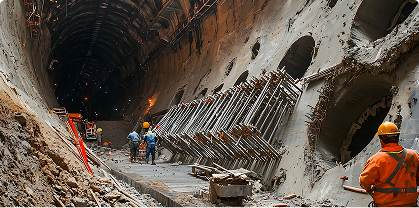
Real-time access to geotechnical data allows engineers and construction teams to make informed decisions quickly. For example, monitoring data may indicate unexpected ground movement during excavation. Engineers can respond immediately by adjusting construction methods, modifying support systems, or increasing monitoring frequency.
This proactive approach reduces risk, minimizes delays, and improves overall project outcomes.
Supporting Predictive and Performance-Based Design
Data collected during and after construction contributes to a growing body of knowledge that improves future designs. Engineers use historical monitoring data to refine predictive models, better understand soil behavior, and optimize foundation systems.
This shift toward performance-based design—where decisions are guided by measured performance rather than assumptions alone—results in more efficient and reliable infrastructure.
Digital Integration and Data Management
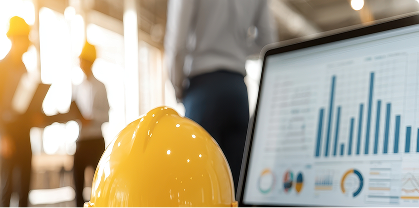
Modern geotechnical projects generate large volumes of data. Digital platforms and custom software applications are increasingly used to organize, visualize, and analyze this information. Automated reporting, cloud-based storage, and real-time dashboards allow project teams to access critical data from anywhere.
These tools improve traceability, reduce manual errors, and streamline communication between engineers, contractors, and clients.
Advancing the Future of Geotechnical Engineering
As infrastructure projects become more complex and performance requirements become more demanding, the role of data will continue to expand. Data-driven engineering improves safety, enhances quality control, and provides greater confidence in design and construction.
By leveraging modern instrumentation and digital tools, geotechnical engineers can better understand the ground, verify performance, and deliver infrastructure that meets the highest standards of reliability and safety.